Premium glass rooms

What if your garden wasn’t just for summer?
OUR SPECIALITY

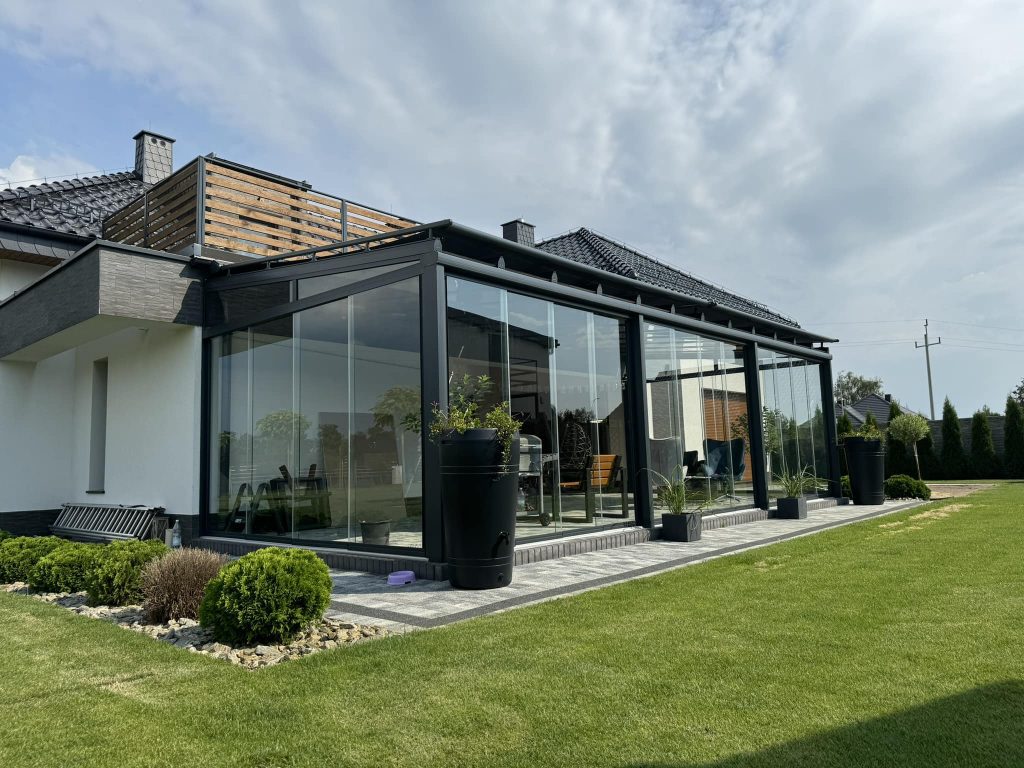
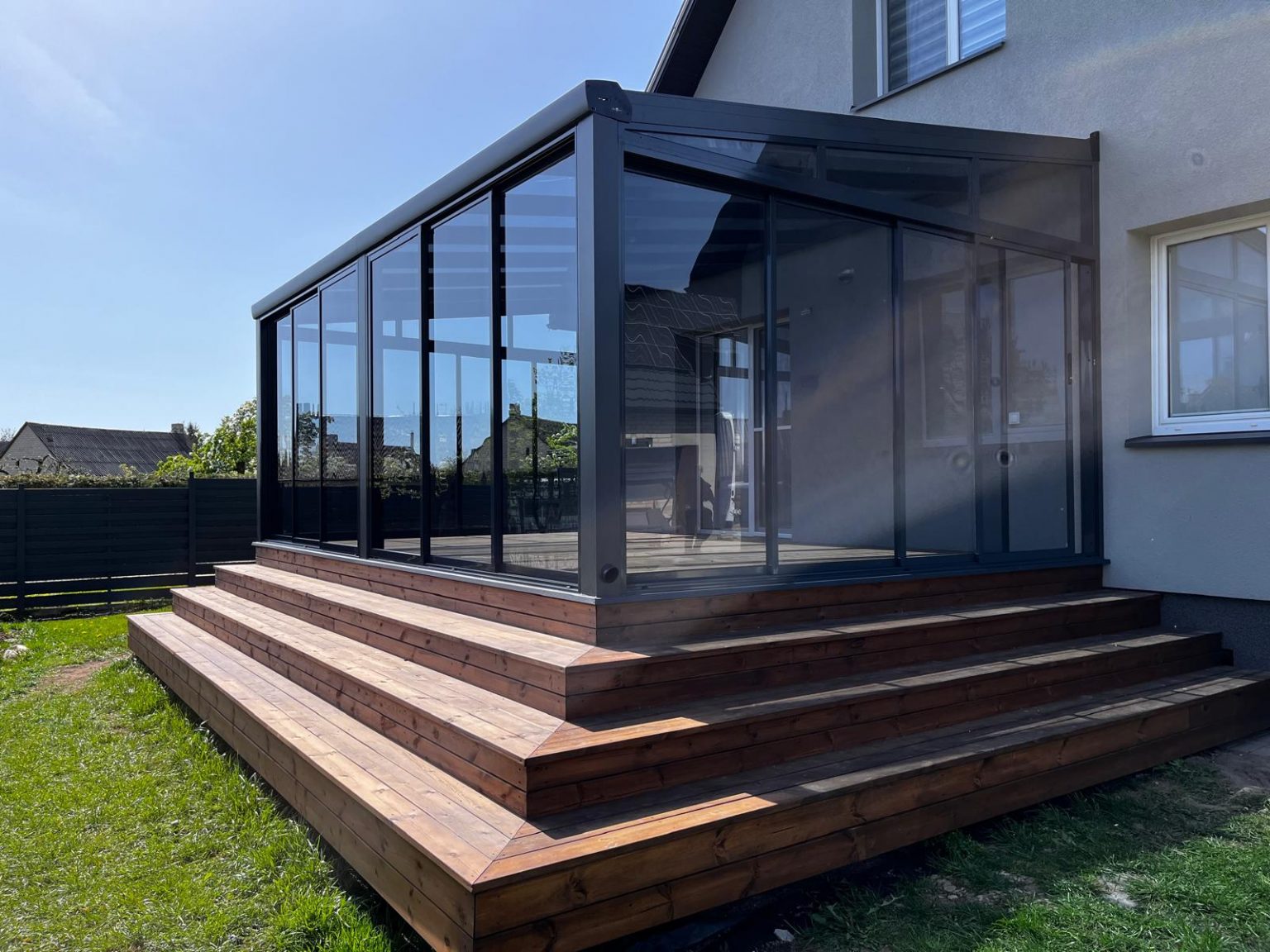
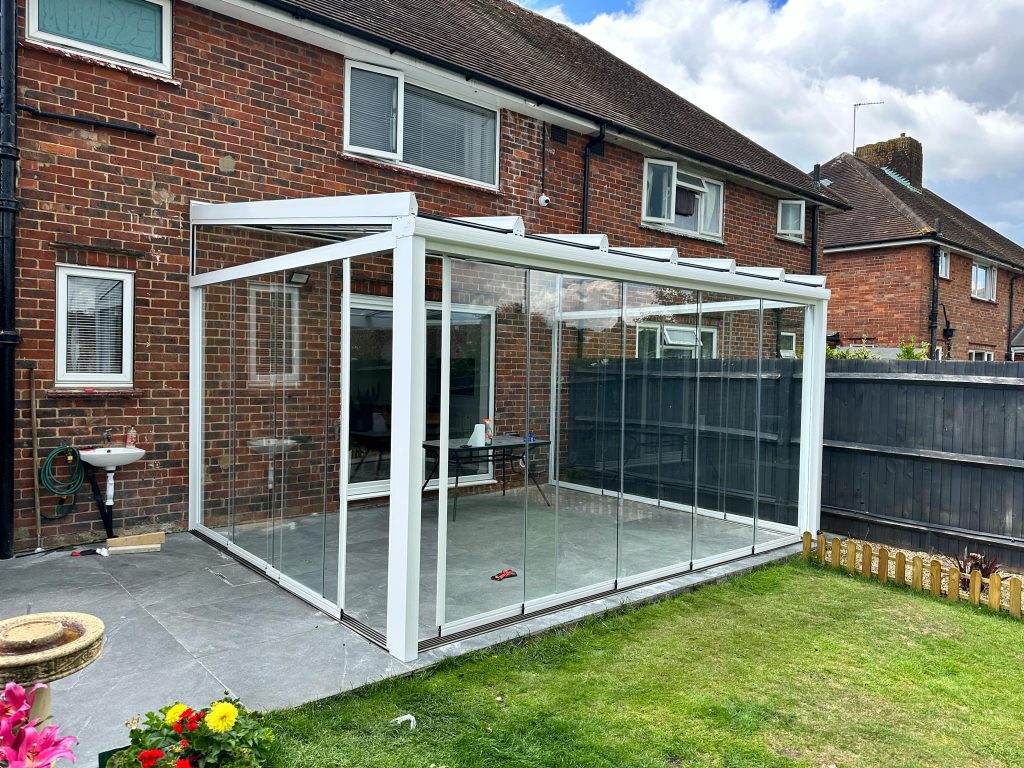
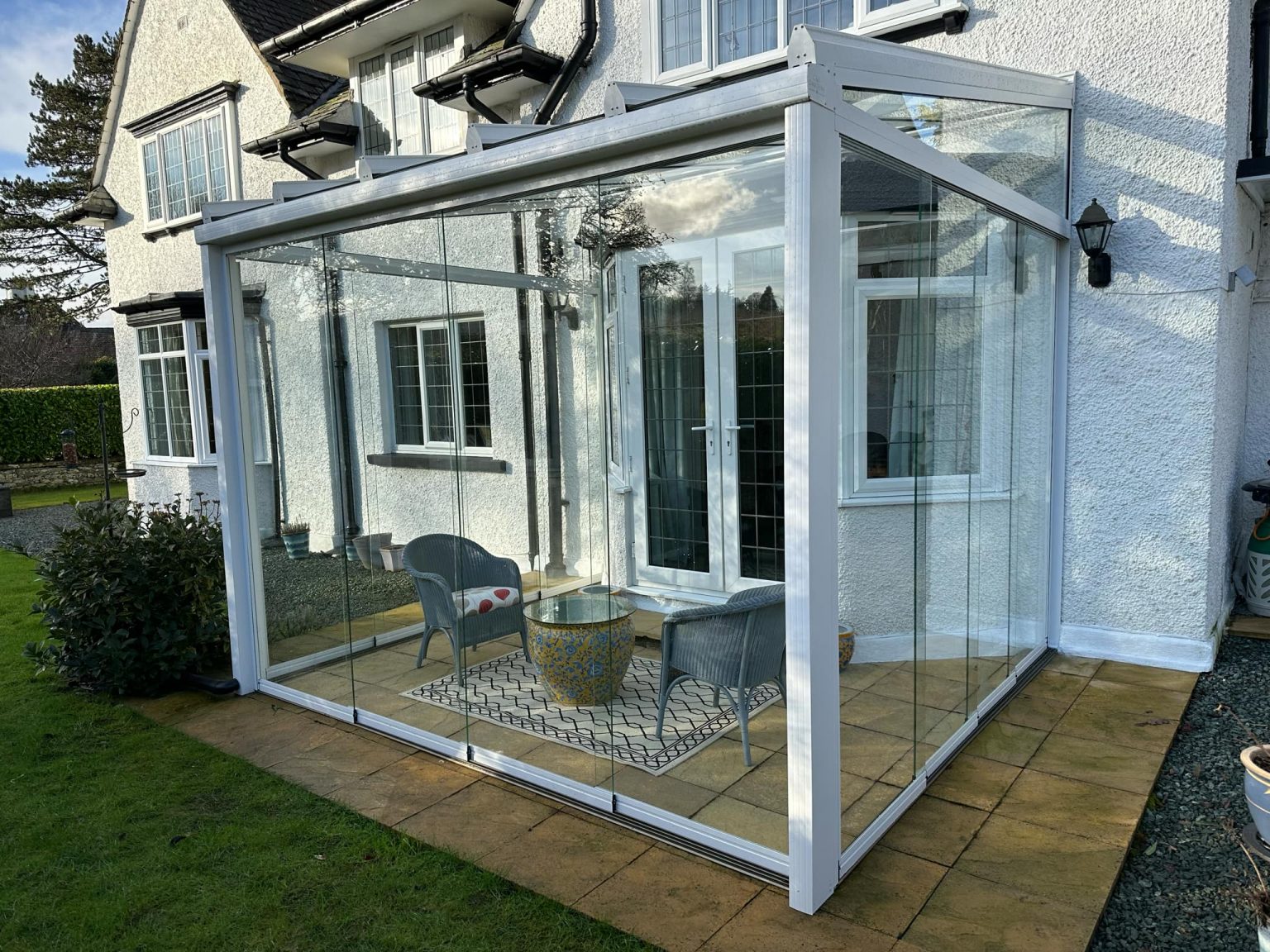
GLASS ROOMS, OFTEN REFERRED TO AS SUNROOMS, GLASS BOXES OR GLASS HOUSE EXTENSIONS

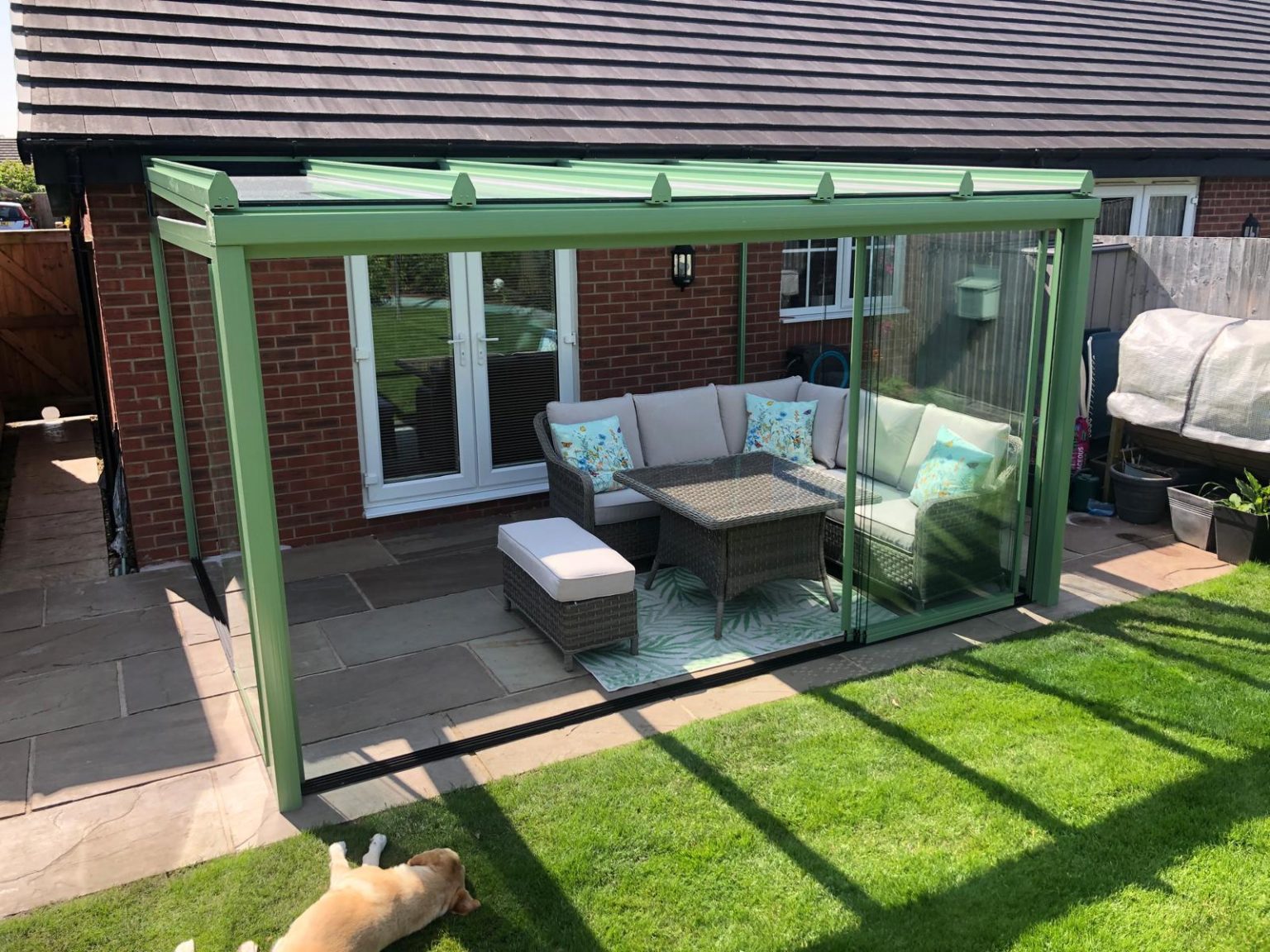
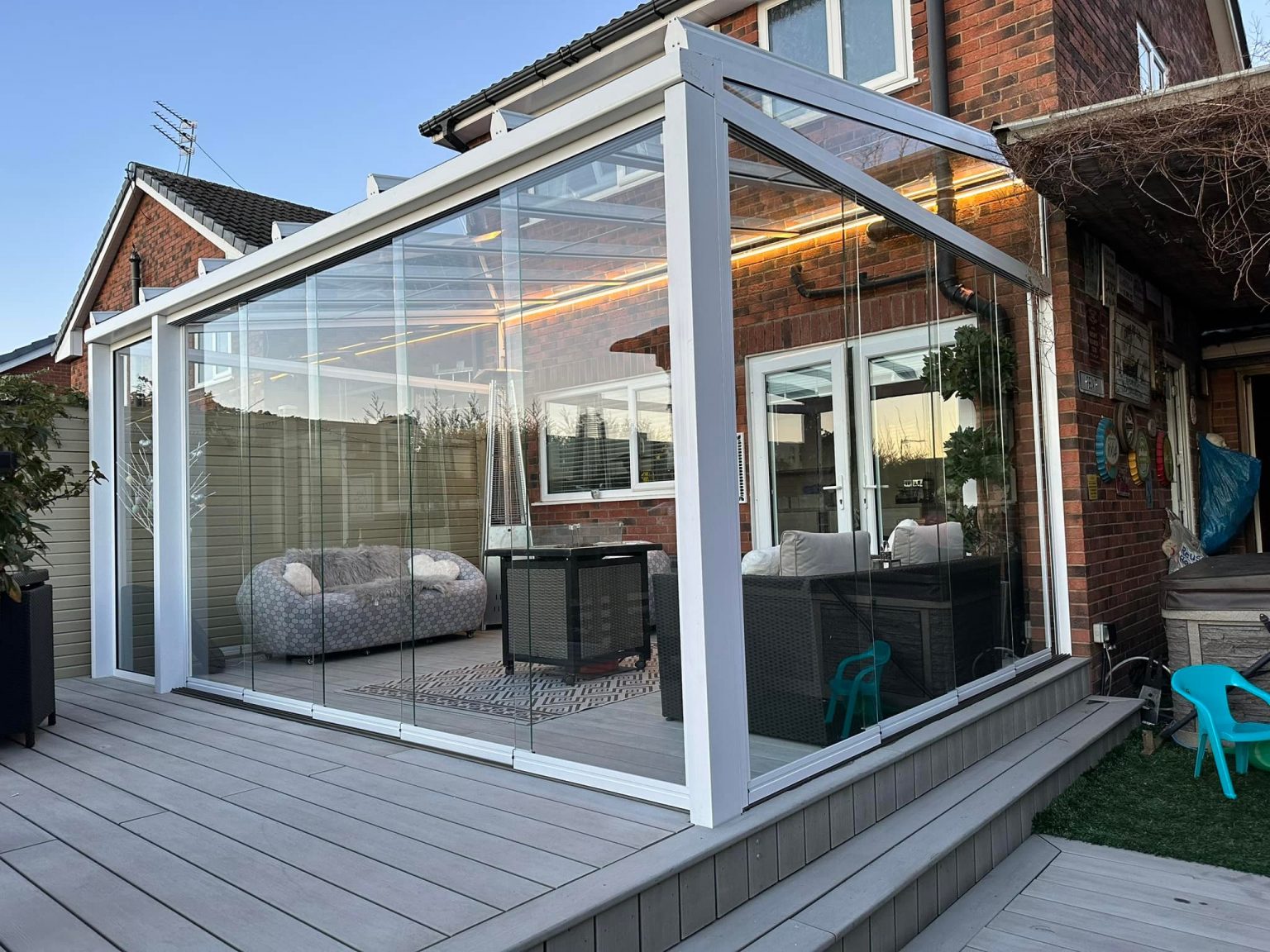
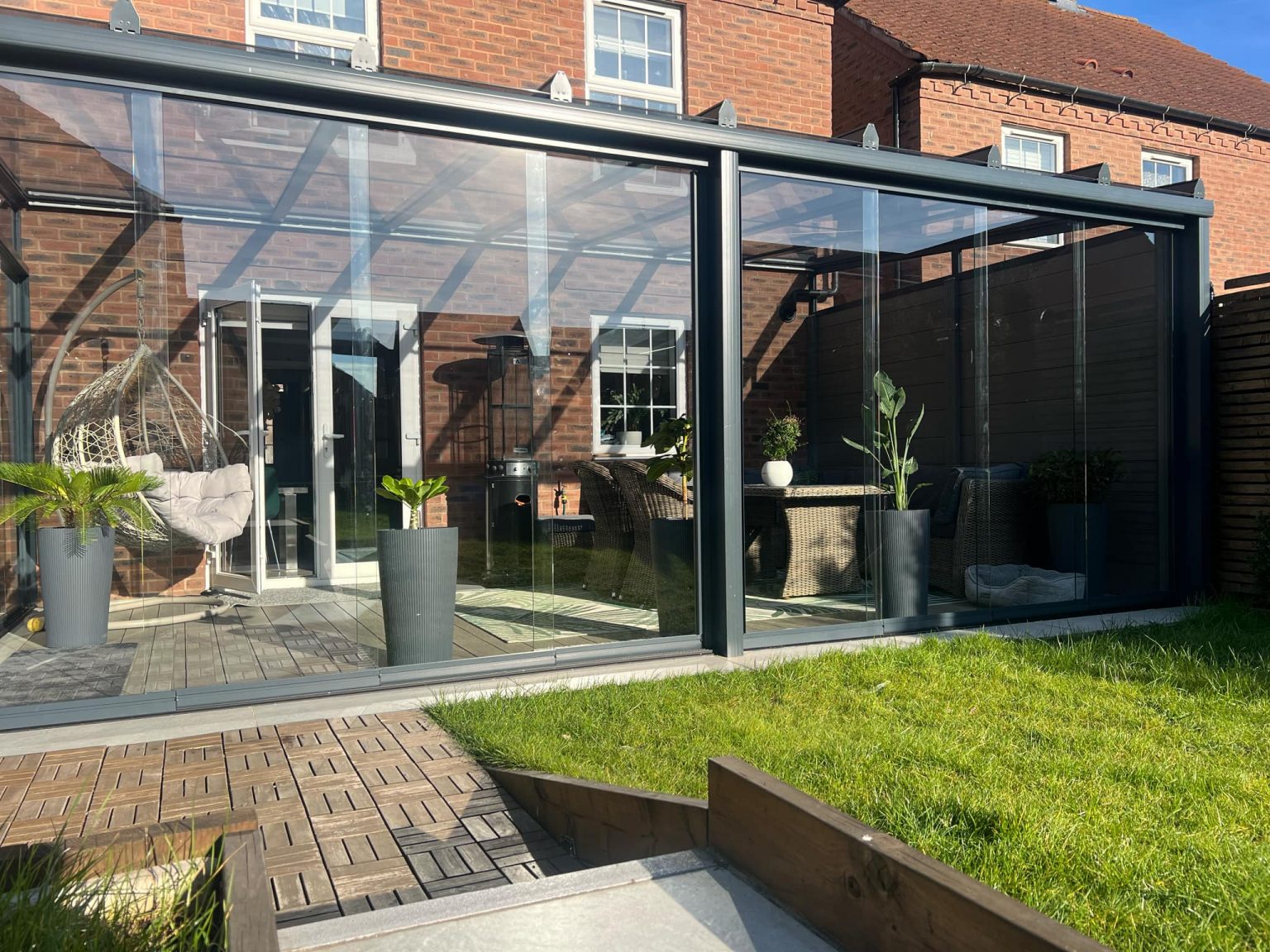
Designed to meet your exact needs – with a choice of toughened safety glass including tinted and frosted options, and any colour from the full RAL palette (256 colours available)

  • Professional advice, helping you choose the perfect product for your home and garden.

  • Free and fast project quotations, so you know exactly what to expect with no hidden surprises.

  • Complete product and expert installation, ensuring everything is fitted to the highest standards.

  • Comprehensive aftercare and warranty service, giving you peace of mind long after the project is complete.

glass room black infinity lux
Glass room black sealed
what makes the difference

why our glass extensions are special?

After years of hands-on experience, we’ve found a better solution — and introduced a new product: the Premium Design Glass Room. While our classic system (still commonly used across the industry) remains reliable, the new version offers meaningful upgrades:

The key improvement is the integrated anti-theft system with secure latch handles, which can only be operated from the inside — making it impossible to open or remove any part of the structure from outside.

Visually, the difference is also clear: thicker support posts and lower rafters give the entire structure a cleaner, more refined look — modern, solid, and built to last.

Premium Design

  • Anti-theft system
  • Built-in locking system
  • Thicker support posts
  • Modern look
  • Decreased rafter height
  • Choice of 8mm or 10mm glass
glass room classic design 2

Classic Design

  • Slimmer support posts
  • Classic look
  • High, more visible rafters
  • Uses 8mm glass exclusively
  • Possible to open from outside
Estimated pricing

How much does such a Glass extension cost?

Please note: The prices shown below are for estimation purposes only and may vary based on the specific requirements of your project, site conditions, and chosen materials. For a detailed and personalised quotation, please contact our team.

sun room white 3x3

3x3m from approx. £9,950

Total inc. installation

glass room accrington green

4x3m from approx. £11,440

Total inc. installation

glass room white accrington 3

5x3,5m from approx. £14,000

Total inc. installation

Glass Room black Color Rugby 2

6x3,5m from approx. £15,700

Total inc. installation

1.Typical Price Ranges for Glass Extensions in UK

The cost of a glass extension in the UK usually falls between £10,000 and £50,000, depending on the size, materials and design. Here’s a general idea:

1a) Small Extensions (3×3m)

  • Usually from approx. £10,000–£15,000

  • Compact yet functional – great for a seating area or small dining space.

G&A Gardens offers this size from £9,950 including installation.

1b) Medium Extensions (4×3m to 5×3.5m)

  • From approx. £15,000–£30,000


  • Spacious enough for lounge or open-plan zones.

Our 4×3m starts at £11,440 and 5×3.5m from £14,000 – significantly below average.

1c) Large Extensions (6×3.5m and above)

  • From approx. £30,000–£60,000+

  • Ideal for year-round use or combined kitchen-living spaces.

G&A’s 6×3.5m solution starts at just £15,700, including everything.

Compared to many high-end providers (where similar sizes may start at £25–30k), our glass room extensions offer unmatched value — without cutting corners.

2. What Affects the Cost of a Glass Extension?

2a) Several factors can push prices up or keep them under control:

Size and Shape

Unsurprisingly, bigger spaces to materials, but also lab cost more – not just dueour, groundwork and structural support. That said, the price per square metre often goes down slightly with larger builds.

Type of Glass

From standard toughened to solar-control or Low-E glazing, glass choices affect price and comfort. Double-glazed or structural glass panels add cost but improve energy efficiency and year-round usability.

Frame Design

Aluminium frames are the most common – offering strength and a clean finish. Frameless glass or architectural glass boxes are a bit more expensive due to higher structural demands.

Doors and Access

Sliding doors, bi-fold panels, or fixed frameless walls each come with a different price tag. The more complex or wide the door system, the more you’ll pay.

Roofing and Layout

A simple flat roof costs less than one with integrated roof lanterns, louvres, or retractable elements. Likewise, designs that follow a clean, modern layout tend to cost less to install than fully bespoke shapes.

Site Access and Prep

If your garden is tricky to access or needs excavation, groundwork or damp proofing, expect extra charges. We always include total cost with installation – many competitors quote without groundwork or VAT.

Customisation

Want integrated blinds, coloured frames, underfloor heating or custom lighting? All possible – but budget accordingly. 

Regulations and Permissions

Many glass extensions fall under permitted development, but if your design exceeds limits, you may need planning permission. Even if not required, building regulations apply when opening a wall or integrating electrics/heating. Architectural drawings, applications, and compliance checks will increase the overall cost.

3. Final Tips on Managing Your Budget

Before requesting quotes, keep these things in mind:

  • Always check what’s included: some companies exclude VAT, installation, or base work in the initial quote.

  • Ask about customisations early — blinds, colours, or heating can quickly add up.

  • Clarify site access and foundations to avoid surprise fees.

  • Be realistic about your usage: investing in better glass may pay off if you want year-round comfort.

  • Get everything in writing, and don’t be afraid to compare multiple offers.

Make the Most of Your Glass Room

Accessory Products for Glass Rooms

1. Transform your sun room into an all-season space with the right accessories

sun rooms accessory products

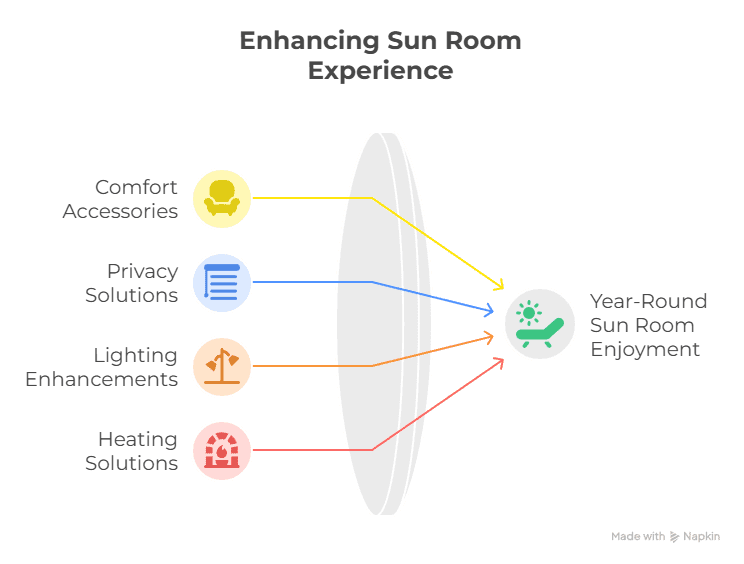
Glass rooms – also known as sun rooms or glass house extensions – are designed to bring the outdoors in. They offer bright, airy spaces filled with natural light and uninterrupted garden views. But to truly enjoy them year-round in the UK climate, smart accessory choices can make all the difference.

From comfort and privacy to light and warmth, the right extras turn your glass extension into a space you’ll use far more often – and love a little more each day.
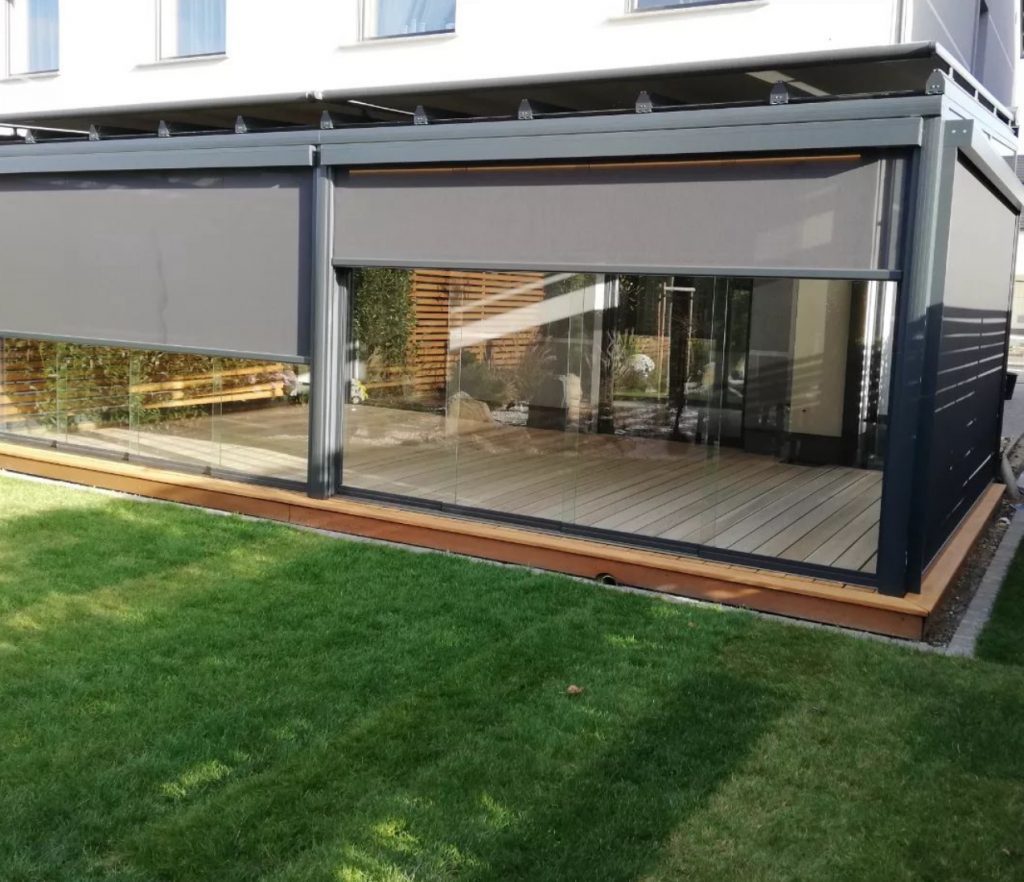
2. Comfort and Privacy – Electric Blinds for Shade and Shelter

Motorised AwningsElectric blinds are one of the most popular and functional additions to any glass room. On sunny days, they give you instant control over brightness and heat. With one touch of a remote, you can lower blinds to block glare, reduce interior temperatures, and shield furniture from UV damage.

But it’s not just about sun. Electric blinds also offer privacy on demand – ideal if your garden is overlooked. Some blinds are designed to let you see out while preventing others from seeing in, striking a balance between openness and seclusion. You can also programme them to open and close at set times, adding a touch of convenience and even boosting security when you’re away.

In terms of energy comfort, external blinds help reduce solar heat gain in summer and can act as a windbreak when lowered, improving thermal comfort in cooler months. And because the motor uses only a small amount of electricity when operating, they’re economical to run.

Typical UK prices: Motorised blinds vary depending on size and style. Expect to pay from around £300 for smaller internal units, with large external systems for full-length glass walls ranging between £2,500–£5,000 including VAT (but excluding installation).
3. Flexible Shade – Why Motorised Awnings Are a Smart Addition

electric awnings on glass verandaElectric blinds are one of the most popular and functional additions to any glass room. On sunny days, they give you instant control over brightness and heat. With one touch of a remote, you can lower blinds to block glare, reduce interior temperatures, and shield furniture from UV damage.

But it’s not just about sun. Electric blinds also offer privacy on demand – ideal if your garden is overlooked. Some blinds are designed to let you see out while preventing others from seeing in, striking a balance between openness and seclusion. You can also programme them to open and close at set times, adding a touch of convenience and even boosting security when you’re away.

In terms of energy comfort, external blinds help reduce solar heat gain in summer and can act as a windbreak when lowered, improving thermal comfort in cooler months. And because the motor uses only a small amount of electricity when operating, they’re economical to run.

Typical UK prices: Motorised blinds vary depending on size and style. Expect to pay from around £300 for smaller internal units, with large external systems for full-length glass walls ranging between £2,500–£5,000 including VAT (but excluding installation).
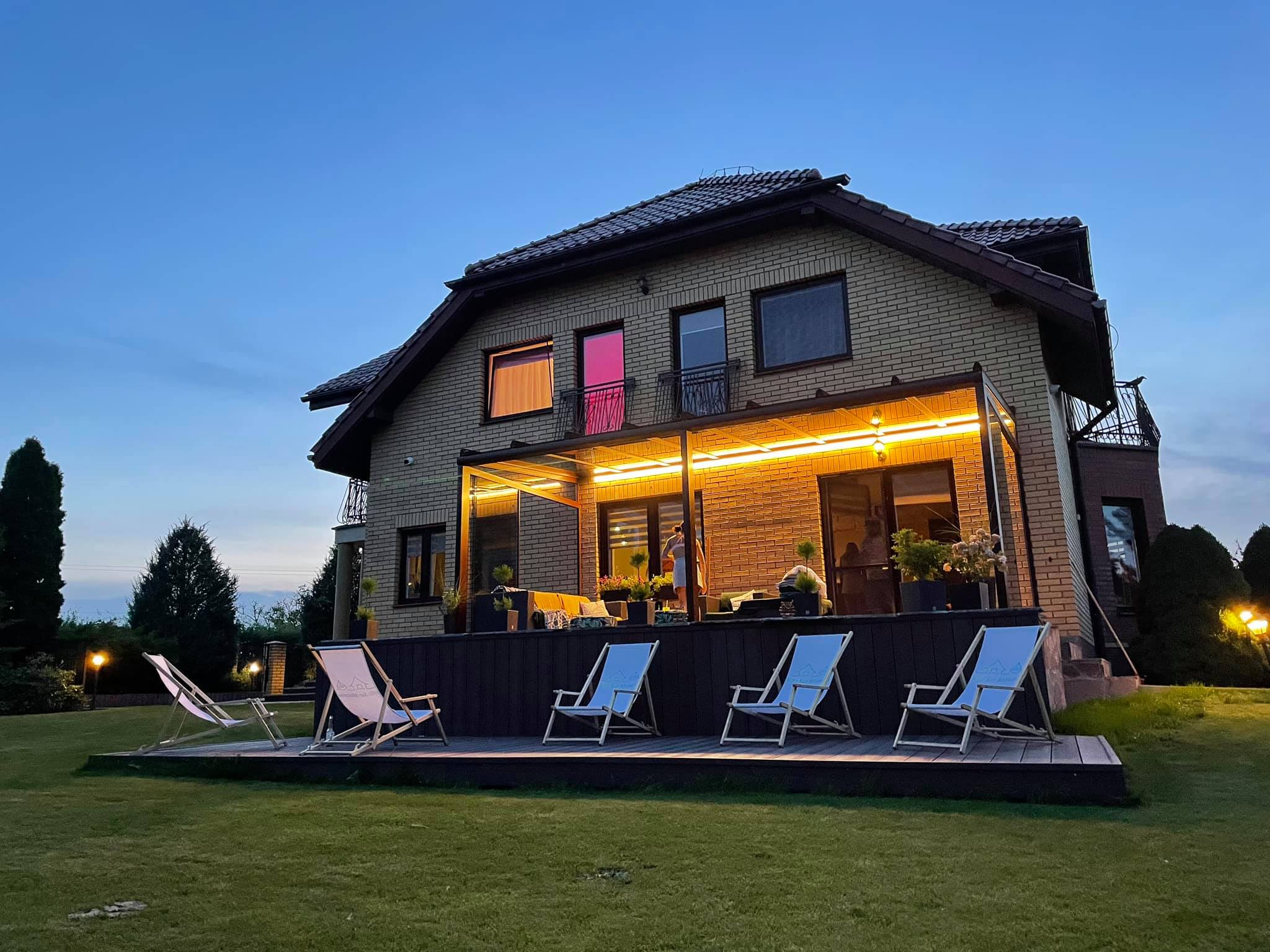
4. Stay Out Later – Integrated LED Lighting for Glass House Extensions

LED lighting in veranda

LEDs can be installed discreetly along the roof structure or vertical posts, offering clean, modern illumination. They’re available in dimmable formats so you can adjust the light level to suit your mood – from bright and functional to soft and atmospheric.

Beyond aesthetics, LEDs are extremely energy-efficient. They consume a fraction of the electricity of older bulbs and last for years without replacement. Plus, they emit very little heat, making them ideal for enclosed spaces like glass rooms.

Typical UK prices: Integrated LED lighting kits typically start at around £350 for a 6-spotlight setup, up to £575 for 12-light configurations, all including VAT. Custom installations may vary.
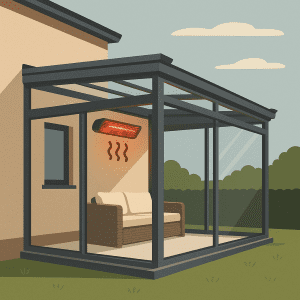
5. Keep It Warm – Heating Lamps for Chilly Evenings

Glass room graphicGlass rooms aren’t insulated like traditional extensions, which means they can cool down quickly once the sun sets – especially outside of summer. That’s where infrared heating lamps come in.

Mounted discreetly on walls or ceilings, these lamps emit radiant heat that warms people and surfaces directly – rather than trying to heat the whole space. It’s an efficient and cost-effective way to make your glass room comfortable in spring, autumn, and even on mild winter days.

Unlike gas heaters, electric infrared models are silent, odour-free, and safe for enclosed or semi-enclosed use. You’ll feel the warmth in seconds, and only when you need it.

Typical UK prices: A quality electric infrared heater costs between £200–£500 including VAT.
Real installations. Real homes. Real inspiration.

Our Finished Glass Home Extensions Across the UK

Darwen
view case study & gallery
Huntingdon
View Case Study and Gallery
The Value Behind the Glass

How Much Value Can a Glass Box Extension Add to Your Home in the UK?

1. Why Homeowners Love Glass Extensions?

Glass box extension 7

A glass box extension is more than just a stylish upgrade –  it’s a seamless way to bring light, space, and the garden closer into everyday life.Whether you’re creating a peaceful spot for morning coffee or extending your living space into the outdoors, these frameless glass structures are becoming a top choice for modern house extensions.

Over the past few years, they’ve grown in popularity across the UK. Why? They tick every box: clean architectural lines, natural light, year-round usability, and — as we’ll see — a real potential to add property value. But just how much value can a glass box extension bring?
2. Do Glass Box Extensions Add Financial Value?

The short answer: yes — and sometimes quite a bit.

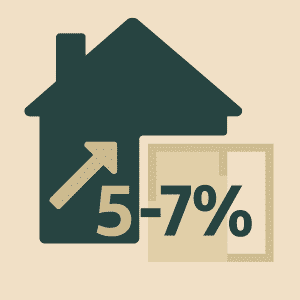
According to UK estate agents and home improvement data, a well-designed glass box extension can increase a property’s value by up to 5–7%, sometimes more. If your home is worth £400,000, that could mean £20,000–£28,000 added to the asking price.

Of course, this depends on: the quality of the build, how well it integrates with the property and how usable the space is throughout the year. Glass extensions that feel like natural continuations of the home – rather than bolt-ons – perform best in both valuation and buyer interest.

Also worth noting: contemporary frameless glass box extensions tend to stand out in listings. They give a property that “premium” edge, often making homes more desirable and quicker to sell.

3. Added Value Beyond the Price Tag

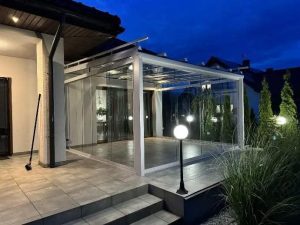
glass-room-infinity-lux-3Not all value is measured in pounds. In fact, one of the biggest benefits of a glass box extension is how it transforms the way you use your home.

With floor-to-ceiling structural glass panels, you’re letting in an abundance of natural light — something buyers and homeowners consistently rank among the top desirable features. Whether it’s a cloudy January or a bright spring afternoon, a glass room will always feel brighter and more uplifting.

Then there’s the connection to the outdoors. Glass box extensions are often positioned at the back of the house, offering uninterrupted views of your garden while staying sheltered from wind and rain. You get that outdoor feeling, even on days you’d rather stay inside.

Finally, there’s functionality. You gain genuine extension space — a modern room that can be used as a dining area, reading nook, home office, or relaxing lounge. Unlike older conservatories, well-built glazed extensions stay comfortable all year round with proper glazing and discreet heating.
4. What Makes a Glass Box Extension Truly Valuable?

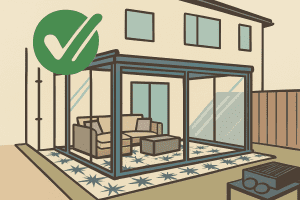
To truly add value — both financial and functional — your glass box extension needs to offer more than just a good view. Here’s what really makes the difference:

  • Frameless glass boxes or those with ultra-slim frames are especially popular in contemporary homes. They offer a clean, uninterrupted look and give the garden a real presence in your living space.

  • UV-protective single glazing or control glass options can help reduce glare and solar gain on sunnier days, making the room more comfortable without compromising on clarity.

  • Sliding door systems offer practical access to the garden without disrupting the minimalist look — and are easier to operate and maintain than more complex opening systems.

  • Custom glass features, like sleek roof panels or reinforced support posts, can give the entire structure a more premium and architect-designed appearance.

  • While these extensions don’t offer traditional thermal insulation, many homeowners find them usable for much of the year, especially in the UK’s milder climate — particularly when paired with subtle heating solutions or roof blinds for added comfort.

A well-executed glass box extension stands out to potential buyers — not just for its design, but for how naturally it expands and elevates the feel of the home.

5. Final Thoughts: Is It Worth the Investment?

If you’re weighing up whether a glass box extension is worth it, the evidence is clear: done well, it adds measurable value to your home and immeasurable value to your lifestyle.

You’re not just adding square footage — you’re adding experience. More natural light, stronger connection to your garden, and a modern, flexible space that feels like a breath of fresh air.

Financially, a 5–7% uplift in value is realistic for high-quality glass room extensions. But even if you’re not selling anytime soon, the daily benefits — comfort, light, space — pay off immediately.

So is it worth it? For many UK homeowners, the answer is a definite yes.

Clear rules, straight answers - planning made simple

Do You Need Planning Permission for a Glass Room?

1. What Is a Glass Room in Planning Terms?

Glass room graphic checkedIn UK planning law, a glass room is typically treated as a form of house extension. It’s often a framed or frameless glass structure attached to the rear or side of your home. Whether it includes walls, a roof, or both, it still falls under planning scrutiny—especially if it’s fully enclosed or changes the external appearance of your property.
2. Permitted Development: When Planning Permission Isn’t Needed

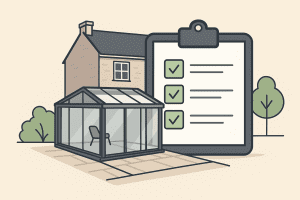
In most cases, glass rooms can be installed under permitted development rights, meaning you won’t need to apply for planning permission. However, you must meet some conditions. Your glass room must:

  • Be a single-storey structure
  • Not extend more than 4 metres from the rear wall of a detached house (3 metres for semi-detached or terrace homes)
  • Be no higher than 4 metres (or 3 metres if within 2 metres of a boundary)
  • Take up less than half the land around the original house
  • Not be higher than the highest part of the existing roof
  • Be located to the rear (not the front) of the home and not facing a highway

If your glass extension meets all of these criteria, it’s usually exempt from the need for a full planning application. However, you may still be subject to building regulations.

3. When Does a Glass Room Require Planning Permission?

glass rooms planning permission graphicIf your proposed extension doesn’t meet permitted development conditions, you will need permission. This typically applies if:
  • It’s at the front or visible from a main road
  • It’s taller or deeper than the permitted limits
  • Your home is a listed building or within a conservation area
  • You live in a flat, maisonette, or converted building
  • You’re adding features like heating, electricity, or plumbing that change its use

You may also need permission if your build triggers the neighbour consultation scheme — particularly for deeper extensions.

4. What About Glass Verandas and Other Structures?

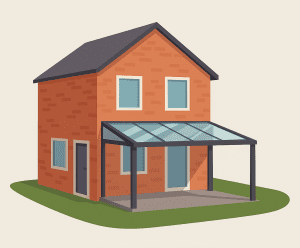
glass veranda graphicA glass veranda, while similar to a glass room, may not always be enclosed. In most cases, if it’s not fully weather-sealed, it’s treated more like a canopy or patio cover. Still, if it’s large, permanent, or built near boundaries, it may still require planning permission.

Similarly, orangeries and conservatories often exceed the size limits of permitted development and are more likely to require formal approval.
Factors that could affect permission

Here are some of the main factors including:

  • Whether your property is listed or in a conservation area
  • The size and height of the glass room
  • Your location in relation to roads and neighbouring properties
  • How much of the land around the original house has already been built on
  • Whether the structure is considered temporary or permanent

These considerations vary between local planning authorities, so it’s important to confirm your exact requirements before starting.

5. Planning Permission vs Building Regulations

It’s worth understanding the difference:

  • Planning permission governs how the structure affects the outside world—neighbours, streetscapes, and the environment.
  • Building regulations cover safety, performance, and quality—ensuring your sunroom meets structural, thermal, and fire safety standards.

Even if your glass room qualifies as permitted development, it may still need to meet certain planning requirements or be approved by a building control officer, especially if it’s connected to your main home or includes heating and electrics.

6. What If You Build Without Checking?

Installing a glass extension without proper authorisation can lead to major issues. Your local authority may issue an enforcement notice requiring you to alter or remove the build, especially if neighbours complain. To avoid this, always confirm with your local planning authority.

7. Summary: How to Build Without Legal Headaches

If you’re unsure whether your planned glass room needs permission, follow these steps:

  • Check local rules: Use your council’s online portal or speak to a planner.
  • Measure carefully: Ensure your design fits the permitted development rules.
  • Request clarification in writing if needed.
  • Speak with professionals who specialise in glass room planning permissions.

Final Thought: A glass room can often be built without fuss—but only when done right. Save yourself future problems by double-checking before you build. A few minutes of planning can prevent months of regret.

Sun rooms vs conservatories

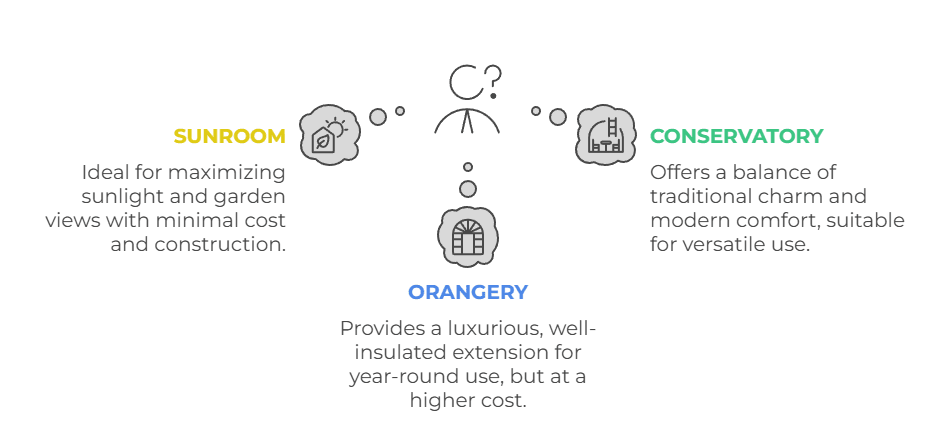
Comparing Sun rooms TO Conservatories and Orangeries: Which GLASS SOLUTION is best for you?

1. Transform Your Home: Does Glass SunRoom Suit You Best?

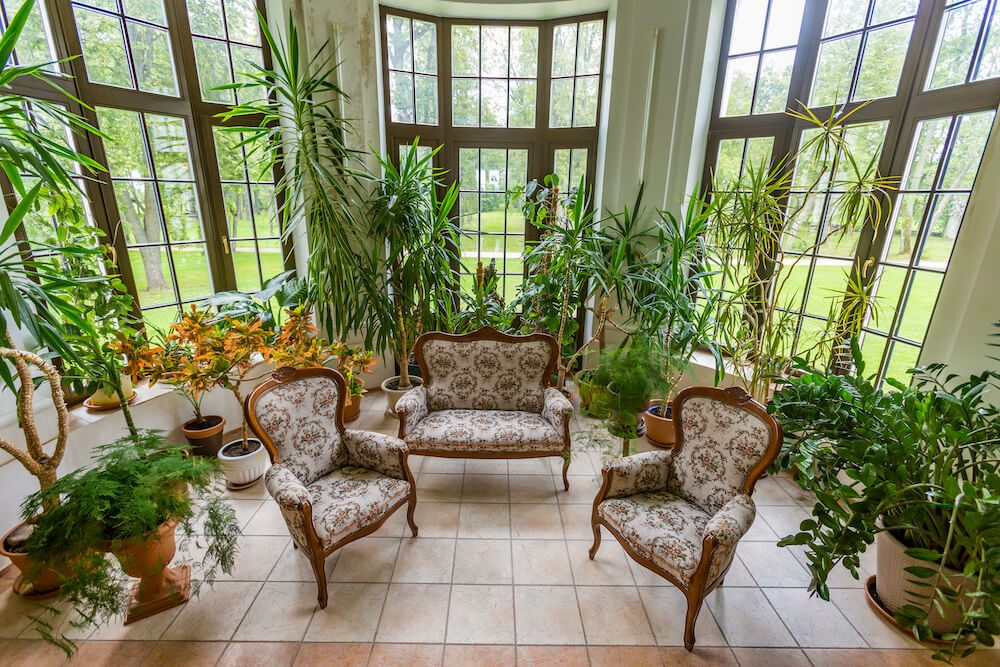
sunroom vs conservatory comparision

Looking to enjoy your garden year-round without stepping into the rain or chill? You’re not alone. Whether you dream of a bright breakfast nook or a peaceful retreat to unwind in the evenings, a garden room is a smart, stylish way to expand your living space.

But should you go for a sleek sunroom, a classic conservatory, or a luxurious orangery? Let’s break down the pros, costs, and differences so you can choose the option that fits your lifestyle best.
2. Sun rooms, Conservatories, and Orangeries: What Sets Them Apart?

2a) Sunrooms: Embrace Light and Outdoor Living

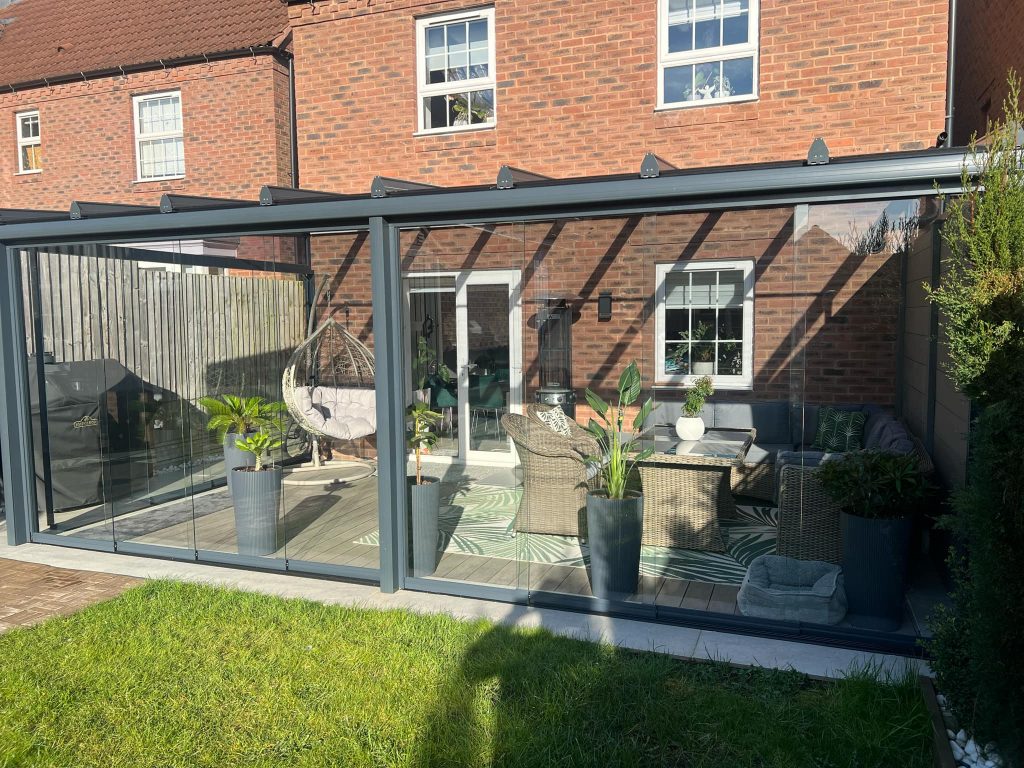
A sunroom (or glass room) is all about sunshine and views. Think of it as an enclosed patio—mostly glass, with frameless or minimally framed panels for a seamless connection to your garden. They’re simple, stylish and highly effective in climates like the UK’s, where harsh winters are rare and mild, bright days are common even in colder months. 

While sunrooms don’t typically offer heavy insulation, they shine in how they open your home to nature – visually and emotionally. They’re a brilliant option for those who value daylight, garden views and year-round connection to outdoor space.

Glass Room black Color Rugby 1

2b) Conservatories: Create a Bright, Versatile Extra Room

Conservatories are a step up in terms of structure. Built with at least 50% glazed walls and 75% glass roof, they create a fully enclosed space you can use for dining, relaxing, or even working from home. Modern conservatories feature double glazing, optional extras like roof blinds, and better insulation than older versions making them usable through more of the year. 

However, with so much glass and framing, they can sometimes feel too hot in summer and chilly in winter — despite modern improvements, achieving year-round comfort often requires additional heating, shading or ventilation solutions.

conservatory white

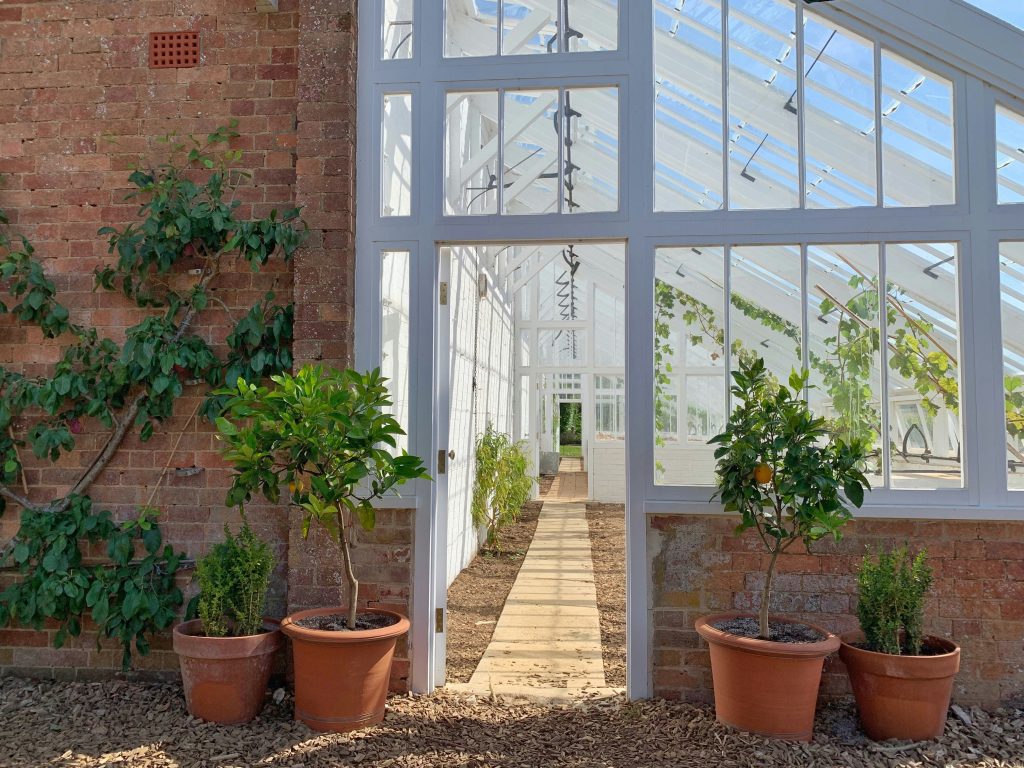
2c) Orangeries: Build a Seamless Luxury Extension

Orangeries offer the most solid structure of the three. With brickwork, a solid roof perimeter, and a roof lantern for natural light, they blend in beautifully with your home. They’re well insulated and feel like a true extension, making them perfect for open-plan kitchens or year-round living spaces. They come at the highest cost in our comparison.

Still, the heavier design means they can feel more enclosed and less connected to the garden — if you’re after uninterrupted views and that seamless ‘indoor-outdoor’ feeling, an orangery may not deliver quite as freely as a sunroom.

3. Plan Smart: Typical Costs of Sunrooms, Conservatories, and Orangeries

3a) Sunrooms: Affordable and Stylish Outdoor Retreats

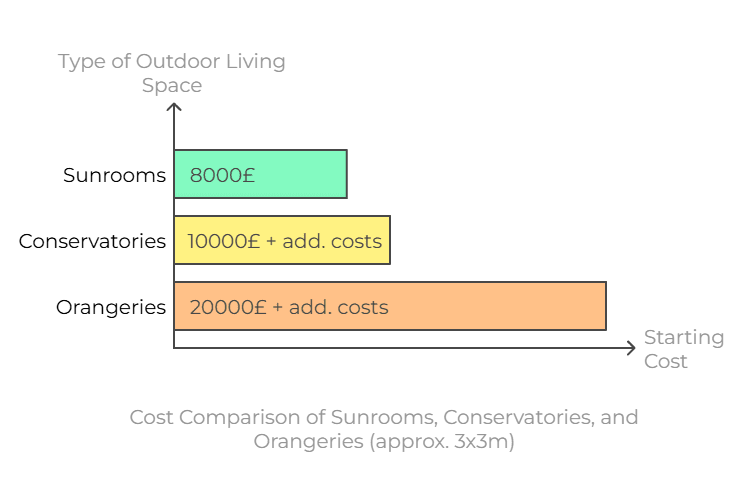
If you’re looking for a smart, budget-friendly way to expand your living space, sunrooms stand out as the most accessible and best value option. Prices typically start from around £8,000, depending on size and glazing, making them far more affordable than other alternatives. Without the hassle or high cost of a full extension, sunrooms offer a practical, elegant solution for those who want to enjoy their garden with minimal disruption — a perfect balance of cost and lifestyle benefits.

Sunrooms costs comparision

3b) Conservatories: Mid-Range Investment

Conservatories usually start from around £10,000, with additional costs depending on design and features. While they offer year-round usability with proper heating and shading, they often require extra investment to achieve a consistently comfortable environment. Though versatile, they come at a noticeably higher cost than sunrooms for comparable enjoyment.

3c) Orangeries: Highest costs, Elegancy and Property Value Boost

Orangeries begin at approximately £20,000, with further expenses for customisation and installation. Although they provide excellent insulation and blend seamlessly with the home, they are by far the most expensive choice. For many homeowners, the price may outweigh the benefits — especially when a sunroom delivers such excellent use and style for far less.

4. Design Matters: How Style and Aesthetics Shape Your Garden Room

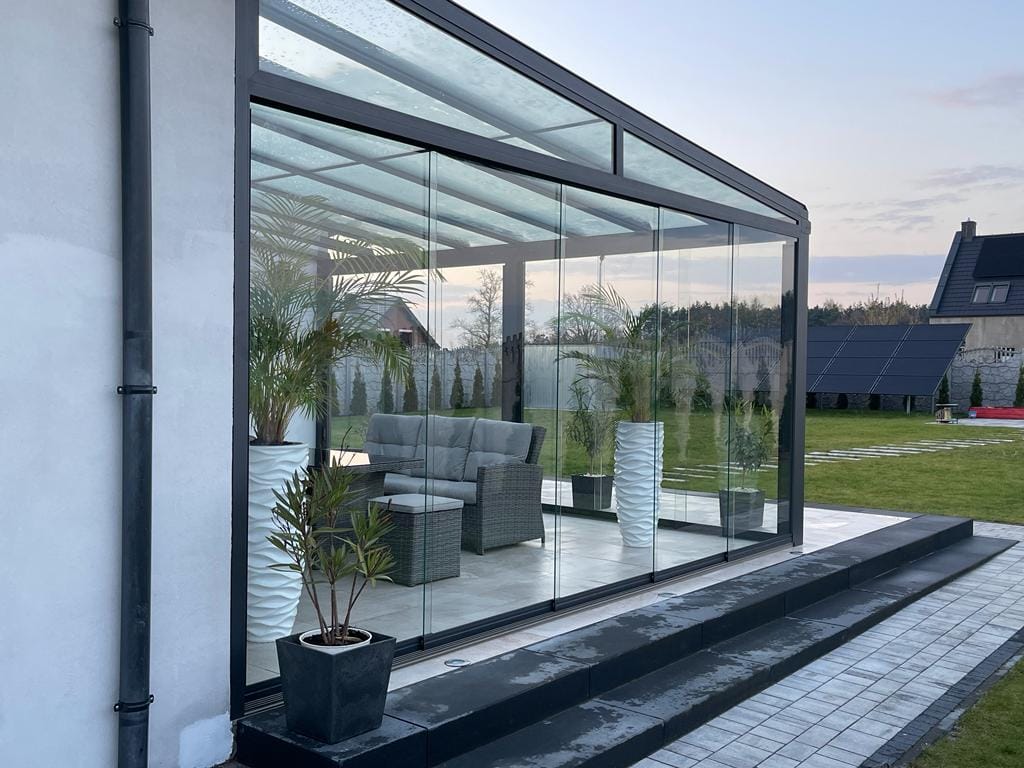
Glass room bright view

4a) Sunrooms: Pure Glass, Pure Views

If your priority is panoramic garden views, sunrooms win hands down. Their frameless designs offer the clearest connection to the outdoors, giving you a calm, airy space where the garden feels like part of the room. They often feature a modern, minimal look that pairs especially well with contemporary homes or newly landscaped gardens.

4b) Conservatories: Blending Traditional Charm with Modern Comfort

Conservatories offer flexibility in design – Victorian, Edwardian, lean-to, or modern. You can match them to period properties or modern builds. Frames, roof panels, and glazing options all affect the final look and feel.

However, visible frames and roof bars can interrupt views and make the space feel more enclosed compared to the seamless outlook offered by sunrooms.

4c) Orangeries: Highest costs, Elegancy and Property Value Boost

Orangeries begin at approximately £20,000, with further expenses for customisation and installation. Although they provide excellent insulation and blend seamlessly with the home, they are by far the most expensive choice. For many homeowners, the price may outweigh the benefits — especially when a sunroom delivers such excellent use and style for far less.

5. Stay Cozy Year-Round: nsulation and Weather Performance Compared

5a) Sunrooms: Ideal for Mild Days and Sunny Afternoons

Sunrooms are great during the warmer seasons and surprisingly warm on sunny winter days — especially in the UK’s temperate climate. Thanks to the greenhouse effect, a well-positioned sunroom can heat up naturally even when it’s chilly outside. And with the right additions — like roof blinds or discreet heaters — they can be enjoyed comfortably beyond summer.
In a climate where extreme cold is rare, sunrooms offer the perfect balance — without the need for heavy insulation or costly heating systems.

5b) Conservatories: Enjoy Light and Comfort in All Seasons

Today’s conservatories are far better insulated than they used to be. With double glazing, roof vents, and thermal glass, they’re suitable for most of the year — especially with optional extras like blinds or heating.
However, they can still suffer from temperature swings — often requiring both cooling and heating solutions to stay comfortable across the seasons.

5c) Orangeries: Ultimate Insulation for Year-Round Use

Thanks to their solid construction, orangeries perform almost like standard rooms in terms of insulation. They stay warm in winter and cooler in summer, making them the most comfortable option throughout the seasons.
That said, this comes at the cost of openness — orangeries feel more like traditional rooms, which limits the sense of light and connection to the garden that sunrooms naturally provide.

6. Get It Right: Planning Permission and Building Regulations in the UK

Most sunrooms and conservatories fall under permitted development rules—making them quicker and easier to build. Sunrooms in particular tend to stay well within these limits due to their lightweight design and modest footprint. Orangeries, being more substantial, often require planning permission and building regs approval. Even if permission isn’t required, always check your local guidelines—especially if you plan to open up internal walls or integrate electrics and heating.

7. Pros and Cons: Making the Best Choice for Your Lifestyle

7a) Why a Sunroom Might Be Your Perfect Garden Escape

Great for: relaxed everyday living, smaller budgets, and making the most of natural light


Limitations: mainly seasonal use without heating, minimal insulation (but easily adjustable with blinds or heaters)


Perfect if you value simplicity, stunning garden views and smart use of space — without the expense or hassle of heavy construction. Ideal for the UK’s mild climate, where harsh winters are rare.

7b) Why a Conservatory Could Balance Beauty and Practicality

Great for: flexible extra living space, classic design options, garden connection


Limitations: prone to temperature extremes — often requiring active heating in winter and shading or cooling in summer

A reasonable middle ground, though often needing careful management to stay comfortable all year — and lacking the effortless openness of a sunroom.

7c) Why an Orangery Offers the Ultimate Home Upgrade

Great for: year-round use, integrated design, premium finishes

Limitations: very high cost, lengthy build process, reduced garden connection

Best suited to larger budgets and more complex projects — though its solid design means sacrificing some of the lightness and outdoor feel that make sunrooms so unique.

8. Conclusion: Start Living Closer to Nature - Indoors and Out

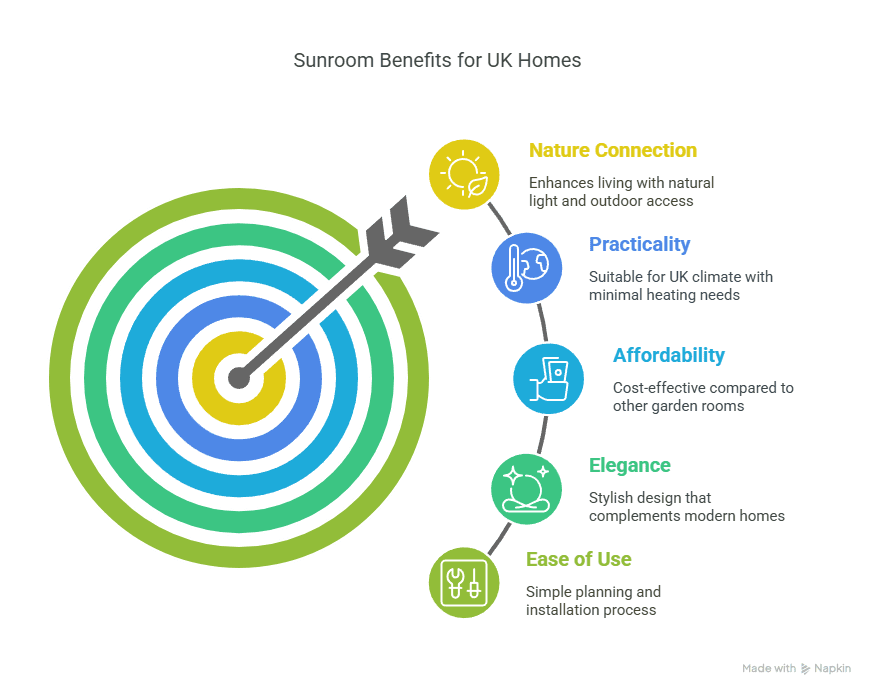
Sunrooms benefits infographicNo matter which option you choose – a sleek sunroom, a versatile conservatory, or a luxurious orangery – you’re creating a new way to live, relax, and enjoy your garden.


But if your priority is to enjoy maximum light, easy outdoor connection and a stylish, hassle-free space that works brilliantly for most of the year, a sunroom stands out as the obvious choice for modern UK homes.

With mild winters and plenty of bright, breezy days, the UK climate makes sunrooms incredibly practical – allowing you to make the most of your garden without costly heating, heavy construction or complicated planning.

Affordable, elegant and effortlessly usable, sunrooms offer the perfect balance between everyday comfort and seamless outdoor living.

Consider your lifestyle, budget, and long-term plans — and if what you’re really after is a garden room that brings nature closer without unnecessary complexity, a sunroom is likely to tick every box.


Ready to get started? Contact us and discover how easy and rewarding adding a sunroom to your home can be.

Your favourite new space might be closer than you think.
Your quick guide

Glass Rooms FAQ – Answered by Experts

1. What exactly is a glass room?

A garden room, redefined.

It’s a bright space made mostly of glass. It has frameless panels, aluminum frames, and a clear roof.

This design lets in plenty of natural light. Unlike a traditional conservatory, this one has no heavy brickwork or bulky framework. It features a clean, modern design that connects your home and garden.

It’s more than a structure – it’s a glass room extension of your lifestyle. You can enjoy coffee in spring or dine under the stars in summer. A garden glass room allows you to experience the seasons from home.

2. Do glass rooms need foundations?

A solid base – not
a foundation.

Glass rooms don’t need deep foundations like brick extensions. Instead, they require a flat, stable base – such as a patio, decking, or concrete slab. If the ground is already level and strong, extra groundwork is rarely needed. This makes installation faster and less disruptive.

However, if your surface is uneven or soft, reinforcement may be required to ensure long-term safety and durability.

3. DO SUNROOMS GET HOT?

Warm, but manageable – even in summer.

Because sunrooms are made mostly of glass, they naturally retain heat on sunny days – especially during summer. But that doesn’t mean they become unusable. With smart accessories like electric blinds, roof shades or awning systems, it’s easy to control sunlight and reduce glare.

Most homeowners find that with good ventilation and shading, their sunroom stays bright and pleasant – without overheating. Positioning and airflow also play a key role in keeping temperatures balanced.

4. WHAT IS THE CHEAPEST WAY TO BUILD A SUNROOM?

Use your existing roof – add frameless glass walls.

If you already have a solid roof or canopy in place, the most affordable way to create a sunroom is by adding frameless glass walls underneath. This approach avoids the cost of building a full structure and still gives you a bright, weather-protected space.

It’s a simple, elegant solution that creates the feel of a glass room at a fraction of the cost, making it perfect for budget-conscious homeowners.

5. WHAT IS A SYNONYM FOR SUNROOM?

Different names – same idea.

A sunroom is often called a glass room, garden room, glass extension, or sunporch. Some also refer to it as a glass box extension or simply an outdoor room. While the names vary, they all describe a space made mostly of glass, designed to bring in natural light and connect your home to the garden.

The differences are often in style or structure – but at heart, they all serve the same purpose: more light, more space, more outdoors.

6. DO SUNROOMS STAY WARM IN WINTER?

With heating – warm enough for comfort.

Sunrooms aren’t insulated like traditional extensions, so they naturally lose heat in colder months. But with the use of infrared heating lamps, you can still enjoy the space on bright winter days or chilly evenings.

While it won’t feel like central heating, the right heater can raise the temperature to a comfortable level for short stays. It’s ideal for a morning coffee or quiet moment — just don’t expect full winter cosiness without layers!

7. HOW LONG DOES A SUNROOM LAST?

Up to 50 years – with the right materials.

A well-built sunroom can last 30 to 50 years or more, depending on the quality of materials and how well it’s maintained. Aluminium frames and toughened glass are especially durable, resistant to rust, warping, and weather damage.

Cheaper materials may age faster, but with proper care and occasional cleaning, a high-quality glass room will stay strong, safe and stylish for decades – making it a long-term investment in both comfort and value.

8. ARE GLASS ROOMS SAFE?

Yes – built with strong, secure materials.

Modern glass rooms are made using toughened safety glass, which is up to five times stronger than standard window glass. It’s designed to withstand impact, weather, and everyday use — including kids, pets, and garden activities.

Our system also includes anti-theft features like lockable handles or fixed panels that can’t be removed from the outside. When professionally installed, a glass room is not only beautiful but also safe, stable, and secure.

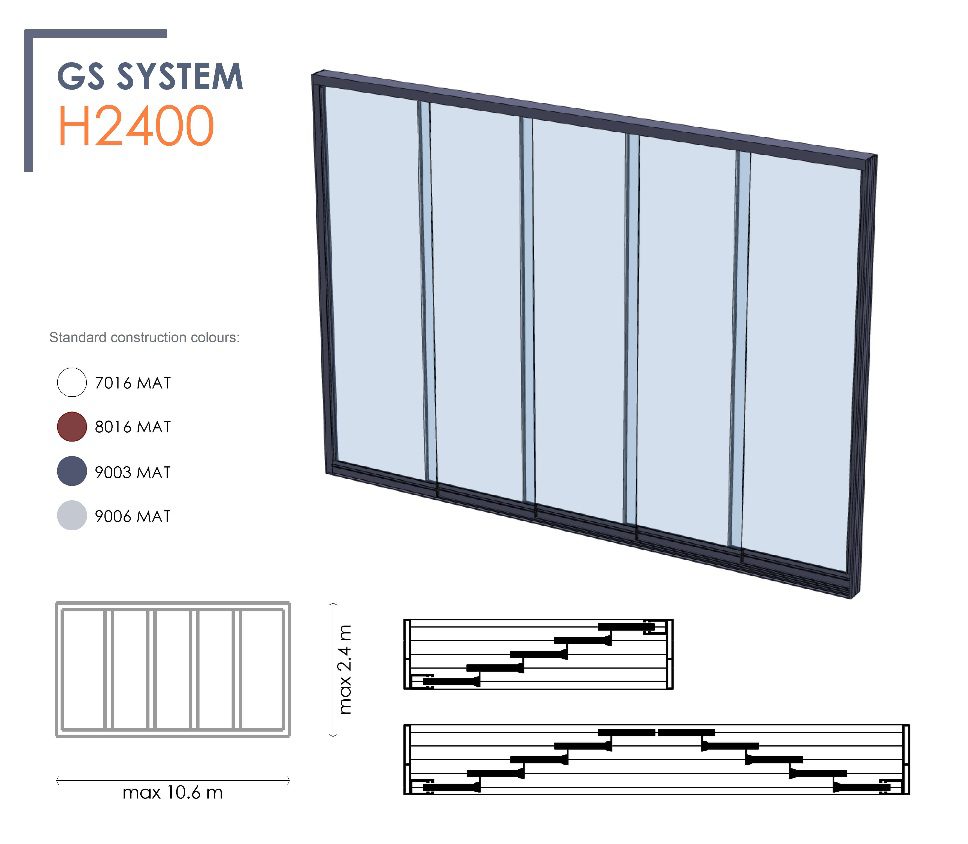
TECHNICAL SPECIFICATION

Properties:

  • Sash sliding system – parallel technology
  • Sliding system based on carriages
  • Application of VSG 44.2 / ESG 8mm glass
  • Maximum number of sliding wings: 10 pcs.
  • Standard glass colours: Clear / Graphite / Milky glass
  • Installation type: frameless
  • Weather-compensated automatics available
  • The GS H2400 system is dedicated to the ZX500 canopy, Pergola SL 400, SL 500, SL 700W.
 

Specification:

  • Colour: RAL
  • Maximum height: 2.4 M
  • Maximum leaf width : 1.1 M
  • Outdoor use: YES
  • Infill: 8mm glass

Characteristics:

  • Aluminium and glass construction
  • Possibility to use polycarbonate instead of glass
  • Standard glass colours: clear/graphite/milky
  • Tilt angle of the canopy: 5 to 25 degrees
  • Unlimited extension possibilities
  • Wall mounted / free-standing construction
  • LED lighting possible
  • Weather automation possible
  • Sliding roof construction possible
 

Specification:

  • Colour: RAL
  • Maximum reach: unlimited
  • Maximum width: unlimited
  • Integrated drainage system: YES
roofing cart

Get a free quote

PLEASE PREPARE YOUR MEASUREMENTS, PHOTO AND COMPLETE THE FORM BELOW